
Trusts
Trusts are one of those things that many people have heard of, but not many know what they actually are. Its simplest description is that a Trust involves a group of people (the Trustees) looking after something (money or property for example) for another person or group of people (the beneficiaries).
Trusts are set up for many reasons – why would you need a Trust?
A Trust fund
Trusts can control and protect family assets
For example you might want to give someone the right to live in a property, but you don’t want them to be able to sell it. You could set up a Trust to make sure this does not happen.
If someone can’t handle their affairs because they are incapacitated
To pass on money or property when you are still alive
A Will Trust
A Will Trust means you can pass on money or assets when you die under the terms of your Will. This can be an age related thing such as preventing children getting property until they reach a certain age. It is also often used to benefit children by a previous relationship on your death (so for example you could let your spouse live in the family home but after she dies, then your share of the property goes directly to your children from a previous marriage.
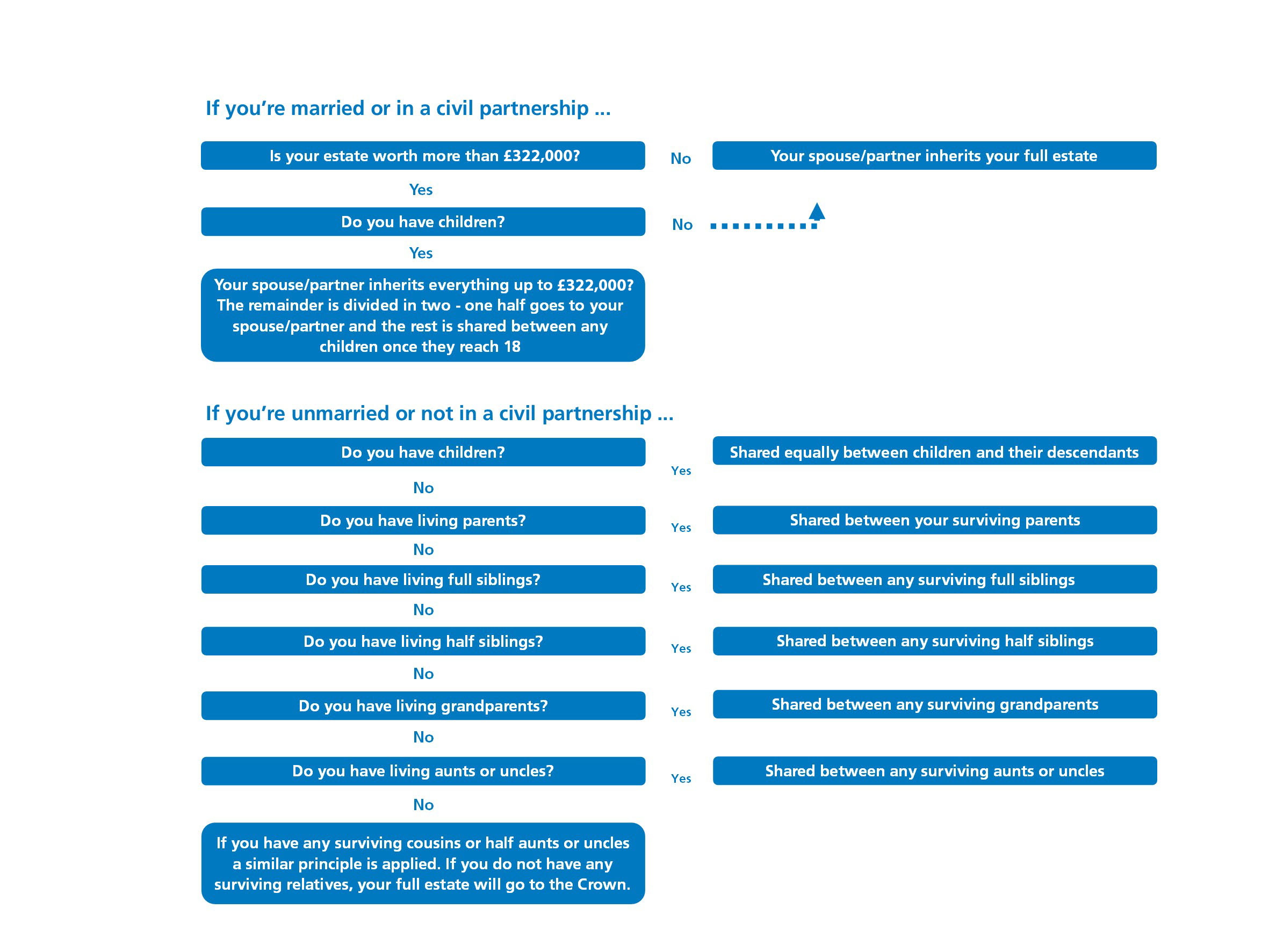
If there is no Will, how can you split an estate?
Protecting your benefits if you receive compensation as a result of a personal injury
What is a Declaration of Trust?
Declarations of Trust are used to protect interests in property that are not immediately obvious and prices start at £545 plus VAT. These are two examples that come up time and again:
Protecting your deposit when you buy a house together:
If you are buying a property with your partner (married or not), what would happen if you have to sell the property because you are separating, divorcing, if one of you cannot go on the mortgage for credit reasons, or if something happens to one of you? A Will would not cover this and the person who has provided the deposit (even if this is your parents) would naturally want it back.
Where parents have the opportunity to purchase their council-owned home under a right to buy scheme.
Often parents cannot afford the cost themselves, so their children pay for the house and this is potentially very risky for the children. What if the parents go into care? The property could be sold to pay for care fees, and if the children have actually bought the house with their own money, they will need evidence of this otherwise they could lose their money.
The simple way to protect the money in both examples is by making a Declaration of Trust. The Trust states what will happen to the sale proceeds when and if the property is sold. Declarations of Trust can be set up quickly and at very little expense, and give everyone peace of mind.
An Asset Protection Trust
An Asset Protection Trust is set up by you, for your benefit, whilst you are living, and for the benefit of your chosen beneficiaries after your death. The advantages of this are that the property and assets are agreed to and expectations of those who will benefit can be managed. In addition, can be managed assets in this type of Trust may be protected if you have to go into a nursing home, but you must take specialist advice on this.

Not sure which Trust is right for you? Don’t worry, we can help
Trusts can be incredibly simple, or complicated depending on your own individual circumstances. Trusts can be used to protect an asset from possible future threats or be used to manage assets on behalf of someone who can’t manage the assets themselves (for example someone who is mentally incapable, or a child). If you have a situation where you feel a Trust would be suitable for you and your family, please get in touch and speak to our specialist team.
Get in touch, we can help answer your questions
We offer a free consultation and you can make an appointment to speak to us by calling 01623 45 11 11, emailing trusts@fidler.co.uk, making an appointment in person at our offices, by video call or in the comfort of your own home.